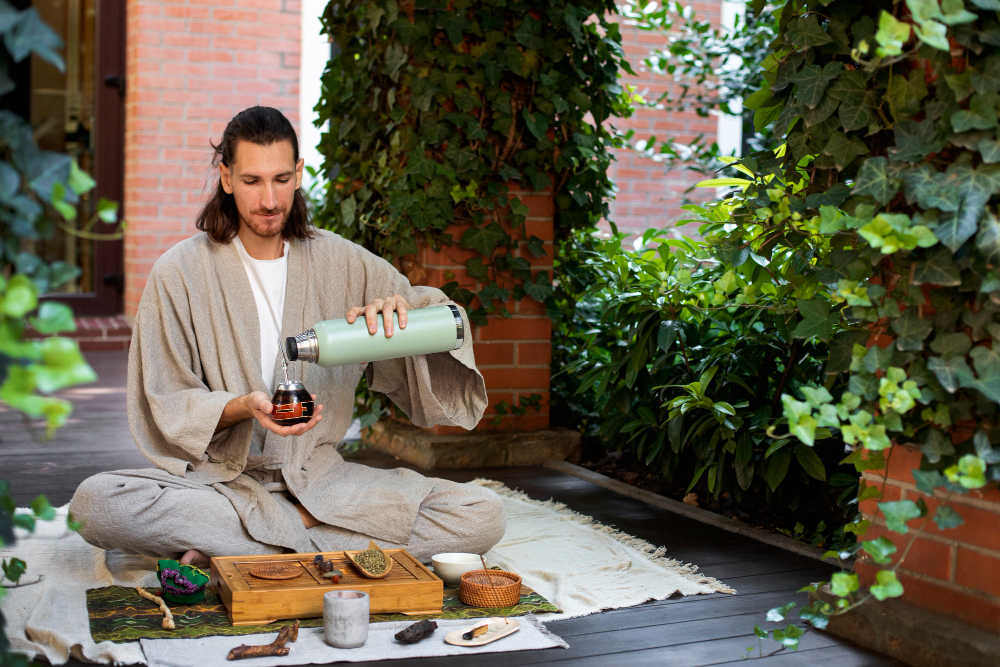
Introduction to Naturopathy
Many people ask, “What is Naturopathy?” Naturopathy is a form of healthcare that uses natural healing methods. It focuses on the body’s ability to heal itself. Because more people want holistic wellness, naturopathy is growing in popularity. In fact, this approach blends traditional wisdom with modern science. Naturopathy aims to treat the whole person, not just the symptoms. For example, it looks at your lifestyle, diet, and stress levels. As a result, many people seek naturopathy for gentle and natural care.
Core Principles of Naturopathy
Naturopathy is based on several core principles. These guide both the practice and the treatments. Understanding these ideas helps you see why naturopathy is unique. The main principles include:
How Naturopathy Works: The Science Explained
Naturopathy uses both traditional and modern science. For instance, it combines herbal medicine, nutrition, and lifestyle changes. Many naturopathic treatments are based on research and clinical studies. According to the World Health Organization (WHO), natural healing methods can support overall health. However, not all treatments have the same level of scientific proof. Still, many people report feeling better with naturopathic care. Because naturopathy looks at the whole person, it often works well with other medical treatments. Always talk to your doctor before starting new therapies.
Common Naturopathic Treatments
Naturopathy offers a wide range of treatments. These aim to support the body’s natural healing process. Some of the most common naturopathic treatments include:
Because each person is different, naturopaths create custom plans for every patient.
Benefits and Limitations
Naturopathy offers many benefits. For example, it focuses on prevention and long-term wellness. Many people like that it uses gentle, natural healing methods. Some benefits include:
However, naturopathy also has some limitations. It may not replace emergency care or advanced medical treatments. Some natural remedies lack strong scientific evidence. Therefore, always use naturopathy as part of a balanced healthcare plan.
Safety and Evidence-Based Insights
Most naturopathic treatments are safe when used correctly. But, some herbs or supplements can interact with medicines. Because of this, it is important to see a qualified naturopath. The science behind naturopathy is growing. For example, studies show that nutrition and stress management can improve health. However, more research is needed for some therapies. The National Institutes of Health (NIH) and WHO recommend using evidence-based natural healing methods. Always talk to your healthcare provider before starting new treatments.
How to Choose a Qualified Naturopath
Choosing the right naturopath is important for your safety. Look for a practitioner who is licensed or certified. In many areas, naturopaths must complete special training. You can ask about their education and experience. Also, check if they work with other healthcare providers. Reading reviews or getting referrals can help you find a trusted expert. If you are searching for naturopathy in your city, look for clinics with good reputations. Always make sure your naturopath follows safe and ethical practices.
Prevention and Lifestyle Guidance
Naturopathy places a strong focus on prevention. For instance, practitioners teach healthy habits to avoid illness. Some common lifestyle tips include:
Because prevention is key, small changes can lead to big health improvements over time.
Consult a qualified naturopath or healthcare provider for personalized advice on natural healing.